Is Drift the Right AI Support Platform for Your Business?
This 2-Minute Quiz Reveals the Answer!
Key Takeaways
- AI-Powered Support Revolution: Drift transforms customer support from reactive to proactive using NLP and intelligent routing to handle 20-40% of inquiries automatically
- Seamless Knowledge Integration: Connects with existing knowledge bases like Zendesk Guide and Confluence to provide instant, accurate answers from your current content
- Enterprise-Ready Security: SOC 2 Type II, ISO 27001, GDPR, and HIPAA compliance make it suitable for regulated industries handling sensitive customer data
- Continuous Learning & ROI: Self-improving AI through machine learning delivers $360,000+ annual savings for companies with 10,000 monthly inquiries and 30% deflection rates
- Implementation Timeline: Realistic deployment ranges from 2-8 weeks with deep CRM and helpdesk integrations for Salesforce and Zendesk environments
Artificial Intelligence is transforming customer support from a reactive cost center into a proactive revenue driver. At the forefront of this revolution is Drift, a platform that has evolved far beyond its conversational marketing origins to become a comprehensive AI-powered customer care solution.
This comprehensive guide explores how Drift’s AI technology delivers instant, personalized support experiences while reducing operational costs and improving customer satisfaction. Whether you’re evaluating solutions or seeking to optimize your existing implementation, you’ll discover actionable insights about ROI expectations, security considerations, and strategic deployment approaches.
What is Drift and how does it use AI for customer support, not just sales?
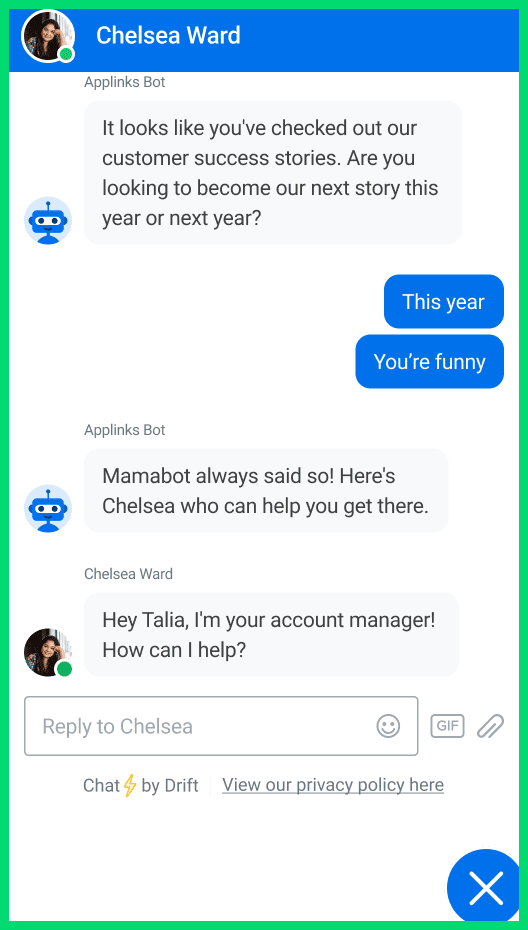
Drift is a conversational marketing and sales platform that has evolved into a powerful AI-powered customer care tool for modern support teams. While the platform originated with a focus on generating sales leads through conversational marketing, its core AI technology is now extensively deployed to automate customer support interactions and enhance the overall customer experience.
For customer support applications, Drift transforms the traditional reactive support model—where customers wait for email responses or sit in phone queues—into a proactive, real-time conversational experience. The platform leverages AI in several strategic ways to achieve this transformation.
AI Chatbots serve as the frontline responders on your website or within your application. These bots utilize Natural Language Processing (NLP) to understand the intent behind a customer’s question, retrieve relevant answers from connected knowledge bases, and handle common inquiries 24/7 without requiring human intervention. This immediate response capability is critical for meeting modern customer expectations for instant support.
Intelligent Routing represents another core AI capability. The system analyzes each initial query to determine its intent, complexity, and urgency. Simple, repetitive questions receive automated answers and are successfully deflected from the support queue, while complex issues or high-priority situations—such as when a customer expresses frustration or mentions cancellation—are automatically routed to the appropriate human agent or specialized support team.
Ticket Deflection is the primary business outcome of Drift’s AI implementation. By providing instant, accurate self-service answers, the AI significantly reduces the volume of tickets that reach human agents. This allows support teams to shift their focus from answering the same questions repeatedly to high-value, complex problem-solving that requires human judgment and empathy.
This strategic shift enables businesses to reimagine customer support not as a necessary cost center, but as a proactive component of the customer lifecycle that directly contributes to satisfaction, retention, and revenue growth. For deeper insights into Drift’s complete feature set, explore our comprehensive Drift Overview and Features guide.
How does Drift’s AI-powered chatbot work?
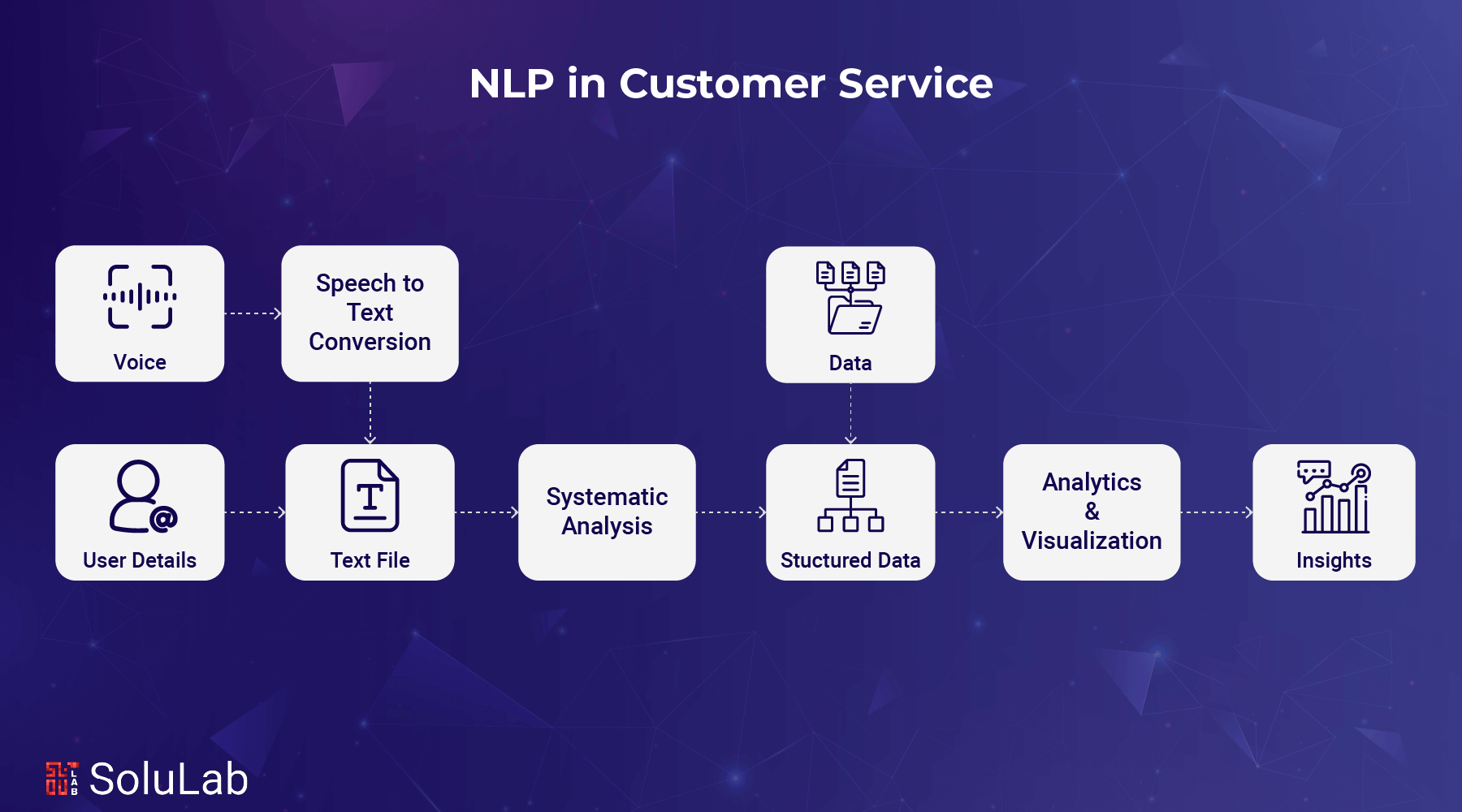
Drift’s AI-powered chatbot operates through a sophisticated framework combining Natural Language Processing (NLP), machine learning algorithms, and deep integration with your existing knowledge sources. The system is designed to simulate human-like conversations while efficiently resolving customer issues through an intelligent, multi-step process.
Intent Recognition forms the foundation of the chatbot’s capabilities. When a user types a question such as “How do I reset my password?” or “What is your refund policy?”, the AI’s NLP engine works to understand the fundamental intent behind the words rather than simply matching keywords. The system recognizes that “password reset,” “forgot my login,” and “can’t access my account” all represent the same underlying customer need, allowing it to respond appropriately regardless of how the question is phrased.
Knowledge Retrieval follows once intent is identified. The AI searches connected knowledge sources for the most relevant answer, typically querying an existing knowledge base like Zendesk Guide, Confluence, or an internal documentation system that has been indexed by Drift. The AI employs semantic search technology, understanding the meaning and context of content rather than relying on simple keyword matching. This allows it to surface the most helpful information even when the exact terminology differs between the question and the knowledge base article.
Answer Delivery occurs in a conversational, user-friendly format. The chatbot can provide direct text responses, link to comprehensive knowledge base articles, or display video tutorials directly within the chat widget. This rich, interactive experience keeps customers engaged and provides multiple learning modalities to accommodate different preferences.
Escalation Path ensures no customer gets stuck. If the AI cannot locate an answer in the knowledge base, detects high levels of user frustration through sentiment analysis, or if the query matches pre-defined rules requiring human expertise, it executes a seamless handoff to a live agent. Critically, the system provides the agent with the complete conversation transcript, ensuring the customer never has to repeat their issue.
This entire process typically completes in seconds, delivering the instant, 24/7 support that modern customers expect while maintaining quality and accuracy. To understand how this compares to other leading solutions, read our detailed Drift Review and AI engine analysis.
Who is the ideal customer for Drift’s AI customer care tools?
The ideal customer for Drift’s AI customer care tools is typically a mid-market to enterprise-level B2B company, particularly within the SaaS, technology, financial services, and professional services industries. These organizations share common characteristics that position them to derive maximum value from conversational AI for customer support.
High Volume of Repetitive Inquiries represents the primary use case. Companies whose support teams are overwhelmed by common, easily answerable questions—such as how-to queries, pricing clarifications, policy explanations, or account access issues—will see the fastest return on investment through ticket deflection. When 30-40% of your support volume consists of questions that could be answered by a well-written help article, Drift’s AI can automate these interactions and free your team for more complex work.
Customer Experience as a Competitive Differentiator matters significantly. Businesses that compete on the quality and responsiveness of their customer service rather than solely on price or product features are strong candidates. Drift enables these companies to offer instant, 24/7 support across multiple channels, which becomes a significant competitive advantage in crowded markets where customers have alternatives.
Existing Knowledge Base Infrastructure is essential for success. The effectiveness of Drift’s AI correlates directly with the quality and comprehensiveness of the knowledge content it can access. Companies that have already invested in creating a robust help center, FAQ repository, or internal wiki will be able to deploy and optimize the AI much more effectively than those starting from scratch.
Complex Customer Journeys are common in B2B environments. Companies with longer sales cycles, technical implementation processes, and ongoing customer success requirements benefit greatly from AI that can guide users through complex workflows, answer technical questions during onboarding, and proactively solve problems before they escalate.
Dedicated Support Teams indicate organizational readiness. While Drift can technically be used by smaller companies, its feature set, integration capabilities, and pricing model are best aligned with organizations that have dedicated customer support operations and are looking to scale their support capacity efficiently without proportionally increasing headcount costs.
How does Drift’s AI compare to Intercom’s for customer support automation?
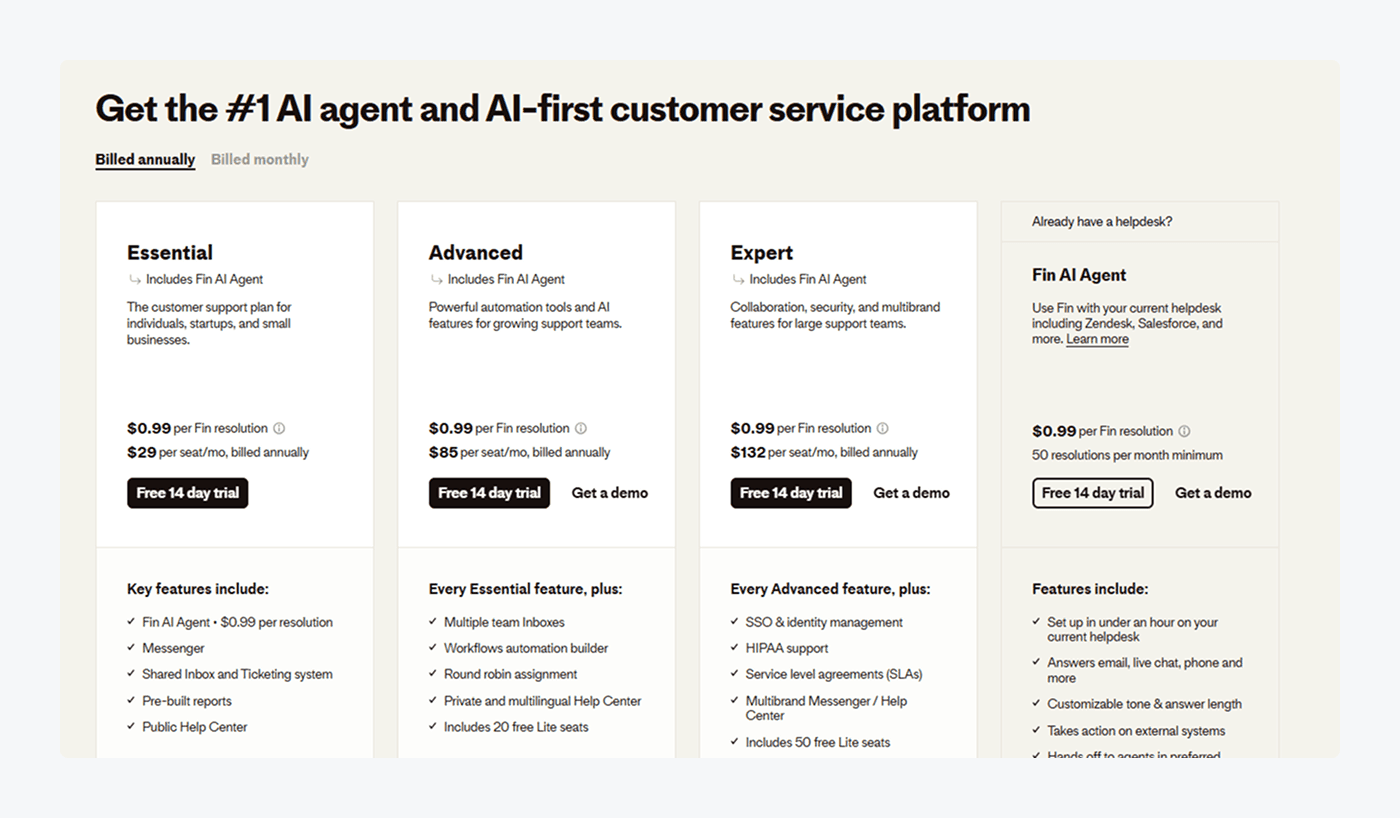
Drift and Intercom represent two of the leading platforms in AI-powered customer communication, but they approach customer support automation from different philosophical origins, which significantly influences their respective strengths and optimal use cases.
Platform Origins and DNA shape each tool’s approach. Drift began with a sharp focus on B2B conversational sales and marketing, with customer support capabilities added as the platform matured. Intercom started with a broader focus on customer engagement and support from day one, building its product suite around the support team’s needs. This foundational difference influences everything from interface design to default workflows.
AI Engine and Capabilities show both similarities and differences. Both platforms deploy sophisticated AI—Drift AI and Intercom’s Fin—that connects to your knowledge base to provide automated answers. Intercom often emphasizes its ability to handle more complex, multi-turn conversations and provides advanced resolution tools integrated directly into its native helpdesk. Drift’s AI excels at identifying user intent quickly and integrates tightly with its “Playbook” workflow builder, making it particularly powerful for creating guided, structured support interactions with clear decision trees.
Human Agent Handoff and Helpdesk Integration represents a key differentiator. Both tools offer seamless escalation to human agents when needed. However, Intercom’s solution is deeply integrated with its robust, native helpdesk and ticketing system, positioning it as an all-in-one solution for many support teams. Drift’s strength lies in its routing intelligence and its ability to integrate with external helpdesk systems, ensuring conversations reach the right expert—whether in sales, support, or customer success—based on conversation context and CRM data.
Ecosystem and Integration Philosophy reveals strategic differences. Intercom aims to be the central hub for all customer communication, offering a built-in helpdesk, product tours, email campaigns, and customer data platform. This makes it attractive for teams seeking a consolidated solution. Drift excels at integrating deeply with other best-of-breed systems, particularly Salesforce and established support platforms like Zendesk, positioning itself as a powerful component within a larger, specialized tech stack.
Pricing and Target Market considerations matter for decision-making. Both platforms use custom pricing models, but Intercom’s all-in-one approach can be more cost-effective for teams replacing multiple tools, while Drift’s integration-first model works well for enterprises with established systems they want to enhance rather than replace.
Ultimately, the choice often depends on your primary strategic goal and existing infrastructure. If you’re seeking an all-in-one platform with a very strong native helpdesk for managing support conversations from start to finish within a single system, Intercom is a compelling choice. If your strategy involves using AI to deflect tickets while integrating seamlessly with an existing ecosystem like Salesforce Service Cloud or Zendesk, Drift’s integration-first approach and CRM-centric model provides significant advantages.
For a comprehensive comparison of Drift against all major competitors, check out our guide to Drift’s top alternatives and competitors.
Can Drift’s AI integrate with our existing knowledge base to provide instant answers?
Yes, integrating with your existing knowledge base is the primary method for training Drift’s AI to provide instant and accurate answers. The platform is explicitly designed to function as an intelligent layer on top of your existing content, not as a replacement for it. This architecture ensures you maintain a single source of truth for all customer-facing information while leveraging AI to make that content instantly accessible through conversational interfaces.
Drift supports integration with a comprehensive range of knowledge management systems, accommodating the diverse tech stacks of modern support organizations.
Dedicated Helpdesk Platforms represent the most common integration point. Systems like Zendesk Guide, Help Scout, Freshdesk, and Intercom Articles can sync directly with Drift. The platform pulls in articles, respects your categorization and structure, and uses this organized content to answer customer questions intelligently.
Internal Wikis and Document Repositories serve technical support teams particularly well. For more complex support scenarios requiring detailed technical documentation, Drift can connect to tools like Confluence, Notion, SharePoint, or private GitBook repositories. This allows the AI to access internal documentation and SOPs that may not be appropriate for public consumption but are essential for providing accurate technical support.
Website Content and Public Resources can also be indexed. Drift’s AI can crawl and index content directly from your public website, including blog posts, resource pages, existing FAQ sections, and product documentation. This ensures the AI can reference your complete public knowledge footprint when answering questions.
The Integration Process typically involves an initial indexing phase where the AI reads and understands the structure, formatting, and content of your knowledge base. The system maps relationships between articles and identifies the topics each piece covers. Once indexed, the AI employs semantic search technology—understanding the meaning and intent behind a user’s question rather than just matching keywords—to retrieve the most relevant information snippet or article.
Automatic Content Synchronization ensures accuracy over time. When you update an article in your source knowledge base, Drift’s AI can automatically re-index the content to ensure its answers reflect the latest information. This “sync and serve” model is critical, as it prevents your support team from having to manually manage duplicate content in multiple systems and ensures consistency across all customer touchpoints.
This integration-first approach allows you to leverage your existing investment in knowledge management while dramatically improving how customers access and consume that information.
What are the key security and compliance features of Drift (SOC 2, GDPR, HIPAA)?
For any tool handling sensitive customer conversations and personal data, security and compliance are non-negotiable requirements. Drift addresses these critical concerns through a comprehensive framework of third-party audited certifications, technical security features, and regulatory compliance policies, making it a viable option for enterprises in regulated industries.
Core Security Certifications provide independent validation of Drift’s security posture. The platform maintains SOC 2 Type II certification, which represents an independent audit of Drift’s security controls related to data security, availability, processing integrity, confidentiality, and privacy. Additionally, Drift holds ISO 27001 certification, the international standard for information security management systems. These audits confirm that Drift has established and consistently follows rigorous information security policies and operational procedures.
Data Privacy Regulation Compliance ensures legal conformity across jurisdictions. For European customers and any organization handling EU residents’ data, Drift is fully compliant with GDPR (General Data Protection Regulation). The platform provides necessary Data Processing Agreements (DPAs) and implements technical measures to support data subject rights, including the right to access, rectification, erasure, and data portability. For customers in the United States, Drift complies with CCPA (California Consumer Privacy Act) and similar state-level privacy regulations, providing mechanisms for consumer rights requests and transparent data handling practices.
HIPAA Compliance for Healthcare addresses the needs of regulated industries. For organizations in the healthcare sector that handle Protected Health Information (PHI), Drift offers a HIPAA-compliant configuration. This requires executing a Business Associate Agreement (BAA) with Drift and ensures that all data is encrypted both in transit and at rest, with strict access controls, audit logging, and breach notification procedures that meet HIPAA’s stringent technical and administrative safeguards.
Technical Security Features provide defense in depth. The platform includes granular role-based access controls (RBAC) that allow administrators to define precisely what data and features each user can access. Single Sign-On (SSO) integration with identity providers like Okta, Azure AD, and Google Workspace enables centralized authentication management. All data transmitted to and from Drift is encrypted using TLS (Transport Layer Security), and data at rest is encrypted using AES-256 encryption standards.
Payment Card Data Handling requires specific clarification for compliance purposes. The platform includes features to support customer compliance efforts, such as automatic redaction of sensitive data patterns like credit card numbers from conversation transcripts. However, it is critical to understand that Drift uses a third-party payment processor for its own billing and is not itself a PCI-DSS compliant service provider. Organizations that need to handle payment card information within customer conversations must implement additional controls and should never transmit full cardholder data through chat interfaces, regardless of redaction features. Always verify that any vendor handling payment data is explicitly certified as PCI-DSS compliant through their official documentation.
These comprehensive security and compliance features are essential for building customer trust and ensuring that your customer conversations and data are protected to the highest standards. Organizations should always conduct their own security review and consult directly with Drift regarding specific compliance requirements for their industry and jurisdiction.
What are the limitations of Drift’s AI? When is a human agent still necessary?
While Drift’s AI delivers powerful automation capabilities for customer support, understanding its limitations is essential for setting realistic expectations, designing effective workflows, and maintaining high-quality customer experiences. The AI functions as a tool to empower and augment human agents, not to replace them entirely. Several key scenarios require human intervention to ensure optimal outcomes.
Complex, Multi-Layered Technical Issues exceed AI capabilities. When a customer’s problem requires troubleshooting across multiple interconnected systems, accessing their specific account configuration data, or involves a series of non-standard conditional scenarios, the AI will likely struggle to provide a complete resolution. These multi-step, investigative issues that require systems knowledge, creative problem-solving, and the ability to ask clarifying follow-up questions are best handled by experienced human agents who can adapt their approach based on what they discover.
High-Emotion or Frustrated Customers require human empathy. While AI can perform basic sentiment analysis to detect negative emotions and frustration, it fundamentally lacks genuine empathy and emotional intelligence. When a customer is truly upset, angry, disappointed, or feeling unheard, an automated response—no matter how well-crafted—can feel dismissive and may escalate the situation further. These emotionally charged conversations require the nuanced understanding, active listening, validation, and authentic human connection that only a skilled agent can provide to de-escalate tension and rebuild trust.
Queries Outside the Knowledge Base Scope reveal content gaps. The AI is only as knowledgeable as the information it has access to. If a customer asks about a brand-new feature that hasn’t been documented yet, a rare edge-case bug that’s not in your troubleshooting guides, or any topic for which your team hasn’t created a help article, the AI will not be able to provide an answer and must escalate to a human. This actually provides valuable data for identifying documentation gaps.
High-Value or High-Stakes Business Interactions require strategic human judgment. For business-critical situations—such as a major enterprise account expressing concerns about renewal, a security-related inquiry that might have legal implications, or a VIP customer requesting an exception to policy—relying solely on AI responses is inappropriate and risky. These conversations should be immediately routed to specialized human agents, account managers, or senior support leaders who can provide the necessary level of assurance, relationship management, and strategic intervention.
Complex Decision-Making and Policy Exceptions need human authority. Situations requiring judgment calls about refunds, service credits, contract modifications, or any scenario where company policy allows discretion based on circumstances cannot be handled by AI. These decisions require understanding business context, customer history, and the authority to make exceptions when appropriate.
Multi-Channel or Long-Term Issue Tracking presents coordination challenges. If a customer’s issue spans multiple interactions across different channels over days or weeks, requiring coordination between departments or follow-up on promised actions, human oversight becomes essential for ensuring continuity and accountability.
The most successful AI implementation strategies design clear “escape hatches” where the AI gracefully hands off the conversation to a human agent at the first sign of any of these scenarios, ensuring customers always receive the appropriate level of support for their situation. For practical implementation guidance, explore our Drift tutorials and use case examples.
How does Drift’s AI learn and improve over time?
Drift’s AI improves its accuracy and effectiveness over time through a continuous learning process that combines automated machine learning, human-guided training, and systematic content optimization. Unlike a static rule-based system, the AI is designed to become progressively more helpful as it processes more conversations and receives structured feedback from both usage data and human experts.
Machine Learning on Conversation Data provides the foundation for automated improvement. The AI’s core Natural Language Processing (NLP) models are continuously learning from the vast volume of conversational data they process across all Drift customers. With each interaction, the models improve their ability to recognize different ways users phrase questions, identify underlying intent more accurately despite variations in wording, and understand industry-specific terminology and jargon. This ongoing, automated learning process happens in the background without requiring manual intervention, gradually expanding the AI’s linguistic capabilities.
Human-in-the-Loop Feedback provides critical guidance and corrections. Drift’s platform includes features that enable human agents to actively participate in training the AI. When the AI suggests an answer during a live conversation, agents can approve or reject that suggestion. If the AI fails to answer a question for which an appropriate knowledge base article exists, agents can explicitly link that question to the correct article. When agents create new help content to address recurring unanswered questions, they can tag it for the AI to index. This direct feedback creates a supervised learning loop that corrects the AI’s mistakes and reinforces successful behaviors.
Analytics and Gap Analysis drive systematic content improvements. Drift provides detailed analytics dashboards showing which questions the AI successfully answers and, more importantly, which ones it fails to address. Support managers can review “unanswered questions” reports to identify patterns and gaps in their knowledge base coverage. If many users are asking about a topic that has no corresponding help article, it signals a clear opportunity to create that content. Once new articles are added and indexed, the AI can immediately begin answering those previously problematic questions, effectively expanding its knowledge domain and improving its deflection rate.
Playbook Refinement allows for workflow optimization. As you gather data on how customers interact with your AI-powered conversations, you can refine your Playbooks—the conversational workflows and decision trees—to better match real-world usage patterns. This might involve adjusting the greeting message based on engagement metrics, reordering response options based on selection frequency, or adding new conversation branches to handle scenarios that weren’t anticipated during initial setup.
A/B Testing and Experimentation enable data-driven optimization. Drift supports testing different conversational approaches, answer formats, and escalation triggers to determine which variations produce the best outcomes for specific use cases. This experimental approach allows support teams to continuously optimize the customer experience based on empirical data rather than assumptions.
This multi-faceted learning flywheel—combining automated machine learning, human feedback, content development, and analytical optimization—ensures that the AI’s effectiveness, accuracy, and ticket deflection rate steadily increase over time, delivering compounding value as your implementation matures.
What is Drift’s pricing model for its AI and conversational support features?
Drift employs a customized, value-based pricing model that is not publicly listed on their website with specific dollar amounts. Instead, pricing is tailored to each organization based on several key factors related to your specific needs, usage requirements, and business scale. The advanced AI and customer support features are typically included in Drift’s higher-tier plans, often referred to as Premium, Advanced, or Enterprise tiers.
Plan Tier Selection forms the foundation of pricing. Drift offers multiple plan tiers with progressively more sophisticated features. The entry-level plans provide basic live chat capabilities, while the higher tiers unlock advanced AI chatbot functionality, deeper CRM integrations (particularly with Salesforce), enhanced security and compliance features (such as HIPAA compliance options), sophisticated routing and workflow automation through Playbooks, comprehensive analytics and reporting, and dedicated customer success support. The AI-powered support features essential for customer care automation typically require at least the mid-to-upper tier plans.
Number of User Seats significantly impacts cost. A “seat” refers to a user license for one team member who will actively use the Drift platform—whether they’re responding to chats, managing bot configurations, or analyzing support data. The more support agents, managers, and administrators you have using the system, the higher your subscription cost. Organizations should carefully evaluate which team members actually need platform access versus those who might only need read-only reporting access.
Contact Volume and Usage Metrics may influence pricing. Depending on your plan and negotiation, pricing can be affected by the number of contacts in your database, the volume of conversations handled through the platform, or the number of bot sessions initiated. This usage-based component is similar to how many marketing automation and customer data platforms structure their pricing.
Add-Ons and Premium Services represent additional costs. Specific features or capabilities beyond the standard plan may be available as paid add-ons. Additionally, premium onboarding packages, managed services, dedicated technical account management, and custom training programs may incur additional fees. These services can significantly accelerate your time-to-value but should be factored into your total cost of ownership.
Contract Length and Commitment typically affect the per-seat cost. Annual contracts generally offer better pricing than month-to-month arrangements, and multi-year commitments may unlock further discounts for enterprise customers.
To obtain accurate pricing for your organization, you must contact Drift’s sales team for a custom quote. When preparing for this consultation, be ready to discuss your specific support volume and ticket types, the size and structure of your support team, your key business objectives (such as target ticket deflection rates and CSAT goals), the specific integrations you require (CRM, helpdesk, knowledge base), any compliance requirements (HIPAA, specific data residency needs), and your expected growth trajectory. This information enables Drift to propose a solution and pricing structure that aligns with your organization’s needs and scale.
For frequently asked questions about pricing and implementation, visit our comprehensive Drift FAQs section.
What is a realistic implementation timeline for deploying Drift’s AI support tools?
A realistic implementation timeline for deploying Drift’s AI support tools typically ranges from 2 to 8 weeks, with significant variation depending on the complexity of your use case, the quality and organization of your existing knowledge base, the number of required integrations, and the internal resources you can dedicate to the project. Understanding the phases of implementation helps set appropriate expectations and allocate resources effectively.
Week 1-2: Kickoff, Planning, and Technical Foundation establishes the project groundwork. This phase begins with an initial kickoff call with your assigned Drift implementation specialist to align on goals, success metrics, and project timeline. Core technical tasks include installing the Drift JavaScript snippet on your website (or integrating it into your mobile app), configuring user accounts with appropriate roles and permissions, setting up teams and routing rules, and establishing the initial connection to your primary knowledge base system (such as Zendesk Guide, Confluence, or Notion). This phase also involves conducting an audit of your existing knowledge content to identify gaps and prioritize which topics to automate first.
Week 2-4: AI Training, Knowledge Base Optimization, and Playbook Design represents the most critical phase. Drift’s AI will index your knowledge base content, processing articles to understand topics, relationships, and the information hierarchy. Your team will work collaboratively with Drift specialists to design your initial set of “Playbooks”—the conversational workflows and decision trees that guide customer interactions. This involves defining the chatbot’s greeting and personality, identifying the high-value support topics you want to automate first (typically your top 5-10 most frequent questions), mapping out the conversational logic and response options, creating escalation rules that define when to route to human agents, and configuring customer data collection points. During this phase, you may also need to create or enhance knowledge base articles to fill identified gaps.
Week 5-6: Integration, Customization, and Internal Testing ensures seamless data flow. This stage involves configuring deep integrations with your CRM (such as Salesforce or HubSpot) to enable bi-directional data sync, connecting to your helpdesk system (like Zendesk or Jira Service Management) for ticket creation and agent handoff, setting up conversation routing based on CRM data and customer attributes, and implementing custom branding and styling to match your company’s visual identity. Your team conducts extensive internal testing with various user scenarios, testing the AI’s responses across different question types, verifying that escalations and routing work correctly, ensuring data synchronization is functioning properly across systems, and identifying any issues in the user experience that need refinement.
Week 7-8: Soft Launch, Monitoring, and Optimization transitions to live production. You deploy the AI chatbot to your live website, potentially starting with a soft launch to a subset of traffic to minimize risk. The first few weeks after launch are crucial for monitoring the AI’s real-world performance through Drift’s analytics dashboards. Key activities include reviewing which questions are being answered successfully versus those that are unanswered, analyzing customer satisfaction scores for bot interactions, identifying common patterns in failed conversations, making iterative improvements to your Playbooks based on actual usage data, and creating or updating knowledge base articles to address newly identified gaps. This optimization phase continues beyond the initial launch as you gather more data and refine your approach.
Timeline Variables that can extend or compress this schedule include the quality and comprehensiveness of your existing knowledge base (well-organized, current content accelerates deployment), the complexity of your support model (single product versus multiple product lines with different support needs), the number and complexity of required integrations, whether you need multilingual support (which requires additional content preparation and testing), the availability of internal resources to participate in configuration and testing, and any custom development or API work required for specialized use cases.
A smaller company with a well-maintained knowledge base and a straightforward use case might complete implementation in 2-3 weeks. A large enterprise with multiple product lines, complex routing requirements, extensive integrations, and multilingual support needs should budget for the full 8 weeks or potentially longer. The key to success is starting with a focused, high-value use case and expanding systematically rather than attempting to automate everything immediately.
What kind of ROI can be expected from implementing Drift’s AI for customer support?
The Return on Investment (ROI) from implementing Drift’s AI for customer support is measured across multiple dimensions that translate directly into quantifiable cost savings, operational efficiency gains, and improved customer satisfaction metrics. Understanding these value drivers helps build a compelling business case and establish appropriate success metrics.
Ticket Deflection Rate represents the most direct and immediately measurable ROI component. This metric tracks the percentage of inbound customer inquiries that are fully resolved by the AI without requiring any human agent involvement. Successful implementations typically achieve deflection rates of 20-40% or higher for common, repetitive questions within the first few months, with continued improvement as the AI learns and the knowledge base expands. To calculate the cost savings, multiply your deflection rate by your total monthly support volume, then multiply by your average cost per ticket (typically $5-15 for B2B SaaS companies depending on agent salaries and overhead). For example, a company handling 10,000 monthly support inquiries with a 30% deflection rate and $10 cost per ticket would save $30,000 monthly or $360,000 annually in direct support costs.
Reduced Average Handle Time (AHT) provides additional efficiency gains. For inquiries that do escalate to human agents, those agents benefit from having the full context and transcript from the AI conversation already captured. This eliminates the time-consuming initial discovery phase where agents typically ask, “What brings you here today?” and work to understand the customer’s issue. Industry data shows that context-aware handoffs can reduce AHT by 15-30% for escalated conversations, allowing experienced agents to handle more complex conversations per day and improving their productivity metrics.
Increased Agent Capacity and Reduced Headcount Requirements translate to strategic cost savings. By automating repetitive, low-complexity questions, the AI allows your existing support team to handle a higher overall volume without adding headcount. This is particularly valuable during periods of growth, as you can scale support capacity more efficiently. The alternative calculation: if your AI deflects enough volume to eliminate the need for hiring 2-3 additional agents, that represents $120,000-200,000+ in avoided annual salary and benefits costs per agent.
Improved Customer Satisfaction (CSAT) and Net Promoter Score (NPS) drive retention and revenue. Customers receive instant, 24/7 answers to their questions, leading to a more frictionless support experience. Research from Bain & Company demonstrates that a 5% increase in customer retention can increase company profitability by 25-95%, as retained customers typically have higher lifetime value and lower acquisition costs. While attributing retention improvements solely to support AI is complex, improved support experiences measurably contribute to overall customer satisfaction and loyalty.
Enhanced Agent Satisfaction and Reduced Attrition impacts your bottom line. Agent burnout from repetitive questions is a major driver of turnover in support organizations. By automating monotonous tasks, AI allows agents to focus on meaningful, challenging problems that require their expertise. This leads to higher job satisfaction, which reduces agent attrition. Since recruiting, hiring, and training replacement agents typically costs $10,000-15,000 per position, reducing annual attrition from 30% to 20% in a 20-person team saves $20,000-30,000 annually.
24/7 Support Coverage Without Night Shifts eliminates costly staffing requirements. For organizations that previously paid premium rates for overnight or weekend support coverage, AI provides continuous support without the associated labor costs. This can be particularly valuable for global companies serving customers across multiple time zones.
Revenue Protection and Expansion represents a harder-to-quantify but significant benefit. When support interactions are positive and efficient, customers are less likely to churn and more likely to expand their usage. Some organizations also use conversational AI to identify upsell opportunities during support interactions, turning support from a pure cost center into a potential revenue contributor.
To build a comprehensive ROI model for your organization, work with Drift’s team to access their benchmark data and case studies from similar companies in your industry. Establish baseline metrics for your current support operations (ticket volume, cost per ticket, CSAT, AHT, agent utilization) and project the specific improvements you expect based on your use case. Most organizations target a 12-18 month payback period for their AI support investment, with compounding returns as deflection rates improve over time.
How does Drift integrate with essential business systems like Salesforce and Zendesk?
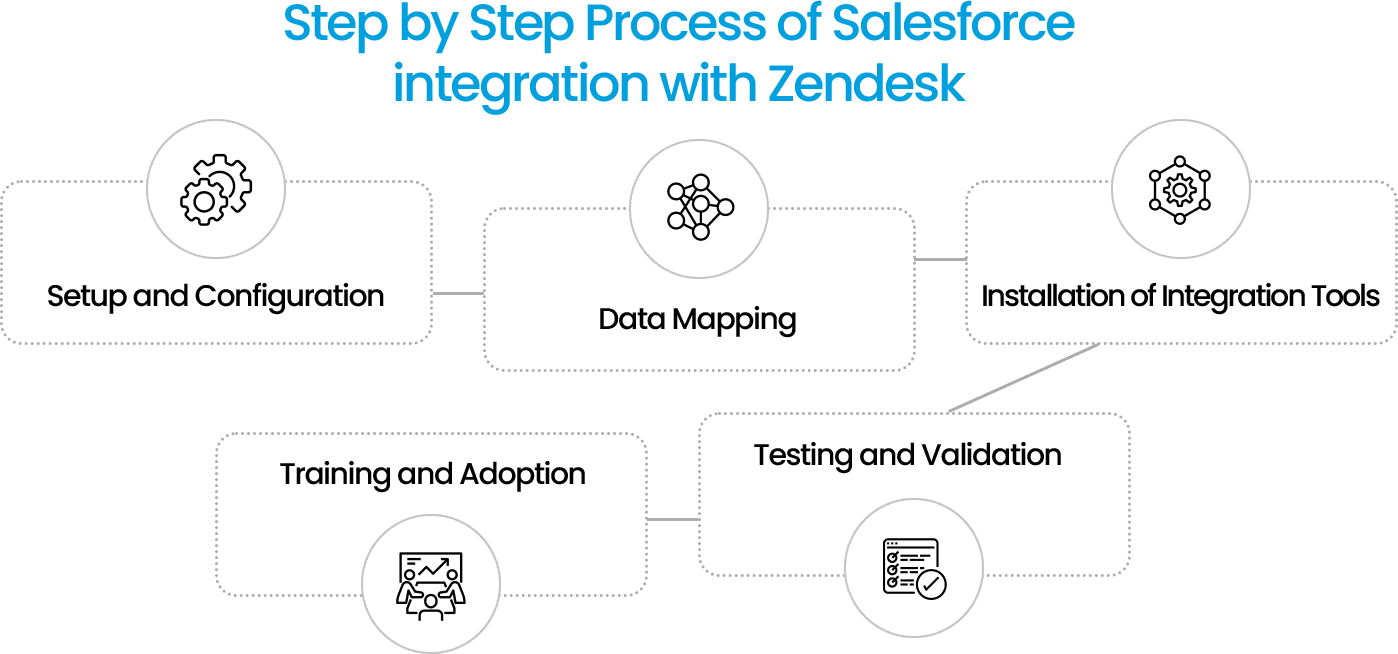
Drift’s value as a customer care tool is significantly amplified by its deep, native integrations with essential business systems like Salesforce and Zendesk. These integrations ensure that Drift functions as a connected component of your unified customer data ecosystem rather than an isolated communication silo, with your CRM serving as the single source of truth for customer information.
Salesforce Integration: The Revenue-CX Connection
The Salesforce integration represents one of Drift’s flagship capabilities, enabling bi-directional data synchronization that serves both sales and support teams. This deep connection ensures that every customer conversation contributes to and benefits from the complete customer record.
Lead and Contact Management happens automatically. When a new visitor engages with your Drift chatbot, the system can automatically create or update Lead or Contact records in Salesforce. The complete chat transcript is appended to the activity history, providing sales and support teams with valuable context about the customer’s questions, concerns, and interests. This eliminates the manual data entry that typically creates friction and delays in customer follow-up.
Intelligent Routing Based on CRM Data enables personalization at scale. Drift can read data directly from Salesforce to inform its routing logic and conversation flows. For example, the system can identify whether a chat visitor is an existing customer, an open sales opportunity, or a new prospect, then route them to the appropriate team or agent. VIP customers can be automatically directed to their dedicated account manager, while high-value opportunities might trigger alerts to sales representatives. This CRM-driven personalization ensures that high-value interactions receive priority attention.
Case and Ticket Creation in Service Cloud bridges support workflows. For support-specific implementations, Drift integrates with Salesforce Service Cloud to automatically create Cases when an issue requires human follow-up or formal tracking. The Case is pre-populated with the customer’s contact information, the full conversation transcript, the identified issue type, and any other relevant data collected during the chat. This eliminates duplicate data entry and ensures that nothing gets lost in the handoff from automated chat to formal case management.
Custom Object and Field Mapping provides flexibility. Drift’s Salesforce integration supports mapping to custom objects and fields, allowing you to adapt the integration to your specific Salesforce implementation and business processes. This ensures that Drift can work with your existing data model rather than forcing you to change your CRM structure.
Zendesk Integration: Seamless Support Handoff
The Zendesk integration is specifically designed to bridge the gap between AI-driven self-service and traditional human-powered helpdesk operations, creating a unified support experience.
Knowledge Base Synchronization powers AI responses. Drift’s AI connects directly to Zendesk Guide (or Help Center) to source its answers, ensuring consistency between self-service channels. The AI indexes your Zendesk articles, understanding their structure, content, and relationships. When a customer asks a question, the AI searches this indexed content semantically and delivers relevant answers conversationally. When you update an article in Zendesk, Drift can automatically re-index it to ensure the AI provides current information.
Automated Ticket Creation ensures nothing falls through cracks. When the AI cannot resolve an issue or when a customer explicitly requests human assistance, Drift automatically creates a ticket in Zendesk Support. The ticket is intelligently pre-populated with the requester’s contact information from identified users, the complete conversation transcript formatted for easy reading, any custom field data collected during the chat, the identified issue category or type, and priority level if determined by conversation analysis. This rich context allows agents to begin working on the issue immediately without asking the customer to repeat information.
Conversation Tagging and Categorization improves analytics. Drift can apply tags and categories to created tickets based on the conversation content and AI-identified intent, improving your support team’s ability to analyze trends and allocate resources effectively.
Agent Status and Availability Sync enables real-time routing. If you use Zendesk Chat alongside Drift, the integration can sync agent availability status to ensure that escalations are routed only to agents who are actually available and online.
Additional Integration Ecosystem
Beyond Salesforce and Zendesk, Drift offers integrations with a comprehensive ecosystem of business tools including HubSpot CRM for mid-market companies, Slack for internal team notifications and collaboration, Marketo and other marketing automation platforms, calendar tools for meeting scheduling, and countless other applications through Zapier and custom API connections.
These deep integrations transform Drift from a standalone chat tool into a central nervous system for customer communication, ensuring that every interaction is contextual, personalized, and contributes to your broader customer relationship management strategy.
Understanding Drift’s AI capabilities and implementation requirements is crucial for making an informed decision about your customer support automation strategy. From its sophisticated Natural Language Processing engine to its comprehensive security compliance framework, Drift offers a mature platform for organizations seeking to transform their customer support operations.
The key to success lies in aligning Drift’s strengths with your specific business needs, existing infrastructure, and strategic objectives. Whether you’re looking to reduce support costs, improve customer satisfaction, or scale your support capacity, the insights and considerations outlined in this guide provide the foundation for a successful implementation.
For additional insights into AI-powered customer support solutions, explore our comprehensive guide to the best 10 AI-powered customer support platforms to see how Drift compares to other leading solutions in the market.

Leave a Reply